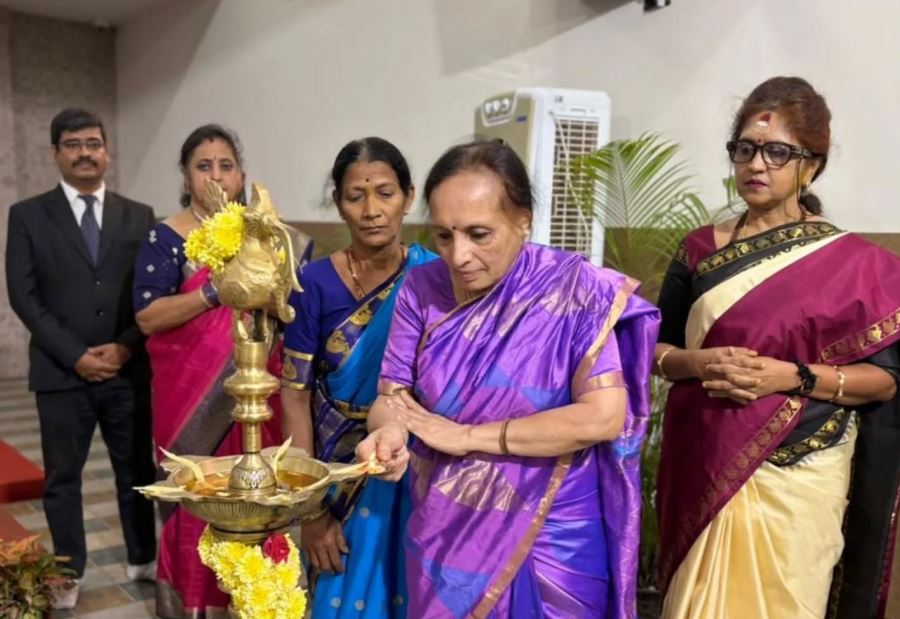
RIMS International Women’s Day Celebration 2026
Ramaiah Institute of Management Studies – International Women’s Day Celebration 2026
RIMS International Women’s Day Celebration 2026 Read More »

Ramaiah Institute of Management Studies – International Women’s Day Celebration 2026
RIMS International Women’s Day Celebration 2026 Read More »
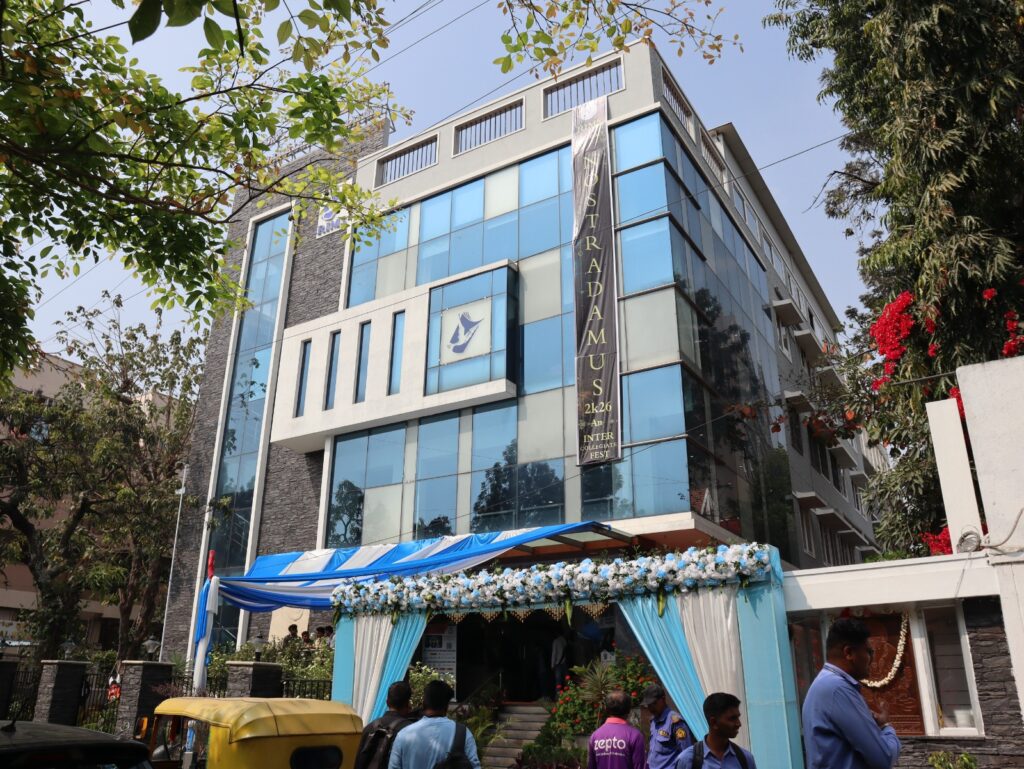
RIMS NOSTRADAMUS – 2k26 Nostradamus 2026 – Where Vision Met Victory! An electrifying celebration of strategy, innovation, and next-gen leadership, Nostradamus 2K26 wasn’t just an event, it was an experience. From game-changing ideas to power-packed performances, every moment reflected brilliance, collaboration, and unstoppable ambition. A heartfelt salute to the masterminds behind the scenes, the dynamic participants, and the incredible supporters who turned this fest into a landmark success. And of course, applause to the champions who rose, conquered, and inspired! Here’s to bold strategies, fearless leadership, and even bigger triumphs ahead. #Nostradamus2026 #ManagementFest #LeadershipInAction #EventSuccess https://rimsbangalore.in/wp-content/uploads/2026/03/WhatsApp-Video-2026-03-11-at-1.20.45-PM.mp4https://rimsbangalore.in/wp-content/uploads/2026/03/IMG_6015.mp4
RIMS NOSTRADAMUS – 2k26 Read More »
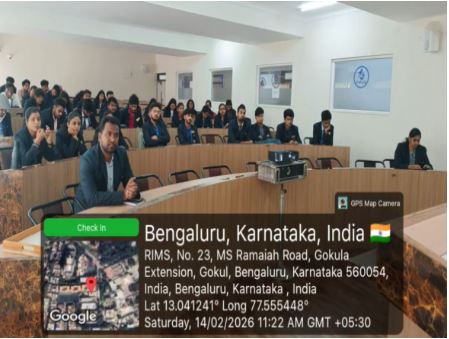
RIMS Specialization Seminar Series – 2026 Lorem ipsum dolor sit amet, consectetur adipiscing elit. Ut elit tellus, luctus nec ullamcorper mattis, pulvinar dapibus leo. https://rimsbangalore.in/wp-content/uploads/2026/03/WhatsApp-Video-2026-02-25-at-10.43.39-AM.mp4
RIMS Specialization Seminar Series – 2026 Read More »
Is Getting Education Loan too difficult to pursue higher Education? Education loans have become a normal part of student life in India, but many learners sign the documents quickly, focusing only on admission, visa, or the next semester fee. They often realise much later how much they actually owe and how long repayment will affect their choices. This note aims to help students understand how these loans work and how to avoid getting trapped in unnecessary debt. In India, education loans are mainly provided by public sector banks, private banks, and non bank financial companies. Most products share common features: a loan amount that typically covers tuition and may also include hostel fees, exam charges, books, a laptop, or foreign trips; a principal amount on which interest is calculated; and an interest rate that may be fixed or floating. A parent or guardian usually joins as co borrower, their income and credit record influencing both approval and pricing. Smaller loans for domestic courses may not require collateral, but larger loans, especially for higher education, often need property or fixed deposits as security. Lenders may also ask for margin money, where the family contributes a small percentage of the total cost, and they specify a tenure that usually spans the study years plus several years of repayment. Two aspects tend to confuse students the most: interest and moratorium. The interest rate is the price paid for using borrowed money, and even a small difference can matter over seven to ten years of repayment. A moratorium period, covering the course duration and a short time after, is often misunderstood as a “free” period. In reality, in most loans interest continues to accrue during this time. In some cases, simple interest is charged during the moratorium and added to the principal later; in others, interest is added periodically to the outstanding amount, increasing the burden. If a student borrows for a two year course and pays nothing during that period, the amount to be repaid after graduation can be substantially higher than the original loan. Whenever feasible, paying at least the interest during study can significantly reduce future EMIs. A better approach is to compare a few options on key points: look beyond the headline interest rate and ask about processing fees, documentation charges, bundled insurance, prepayment penalties, and late fees. Clarify whether the rate is fixed or floating and which benchmark it follows. Understand the moratorium terms what, if anything, must be paid during the course and when full EMIs begin. Check repayment flexibility, such as maximum tenure, step up EMI options, and rules around early closure. Know at what loan amount collateral is required, what forms of security are accepted, and how the co borrower’s profile affects terms. Lastly, ask what support is available if there is a delay in getting a job or if income is lower than expected. Before signing, every student should be able to answer three simple questions in their own words: roughly how much will be repaid in total, what the first year’s EMI will look like, and what happens if a few EMIs are missed. Some practices can push students towards debt traps. Offers promising instant approval with minimal explanation may hide higher interest, heavy fees, or unnecessary bundled products. Phrases like “zero cost” or “no interest during study” may conceal charges in other components. Pressure to sign immediately, with claims that an offer is available “only today,” is a red flag. Adding a parent or relative as co borrower is not just a formality; any default can damage their credit history and future borrowing ability. Over borrowing, taking the maximum sanctioned amount rather than what is genuinely needed can lead to EMIs that restrict life choices later. Debt problems usually build slowly from small, uninformed decisions taken at the beginning, not from a single event. Used wisely, an education loan can be a sound investment in one’s own skills and future earning power. Responsible borrowing means matching the loan amount to realistic career prospects, estimating future income, and avoiding piling other consumer loans on top of education EMIs. Helpful habits include tracking monthly expenses while still studying, paying at least the interest during the moratorium if the family can manage it, and communicating early with the lender if repayment difficulties are likely. As a faculty member who interacts with students regularly, I see both the opportunities and the pressures created by education loans. They make quality programmes and better campuses accessible, but they can also become a source of stress when the terms are not fully understood. At Ramaiah Institute of Management Studies, Gokula, Bengaluru, we regularly engage with students planning higher studies and observe how informed financial choices can ease their academic journey. Before signing any loan document, students are encouraged to discuss the details with their families, read the terms slowly, ask all their questions, and, when needed, seek guidance from a faculty member or financial counsellor so that today’s decision supports tomorrow’s peace of mind. For more details and support visit: https://rimsbangalore.in/
Is Getting Education Loan too difficult to pursue higher education? Read More »
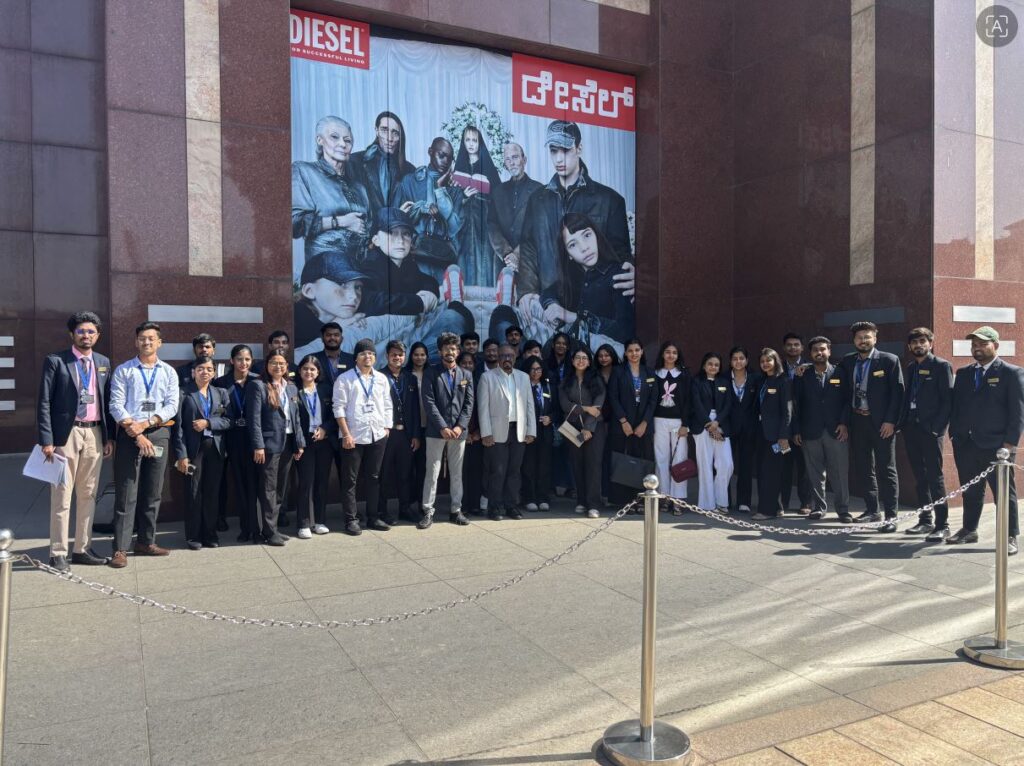
RIMS Field Visit to UB City Field visit to UB City for our 1st Semester students. The primary objective is to provide students with practical exposure to luxury branding, retail management, and experiential marketing strategies in a real-world environment.
RIMS Field Visit to UB City Read More »
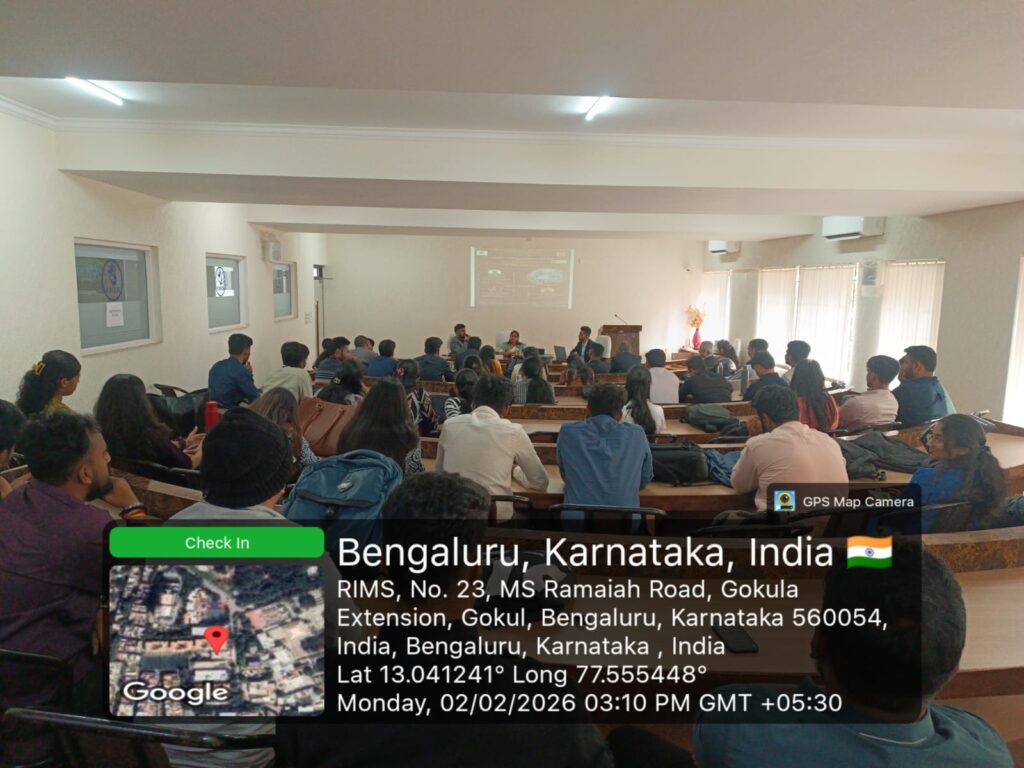
RIMS Panel Discussion on Union Budget – 2026 https://rimsbangalore.in/wp-content/uploads/2026/02/WhatsApp-Video-2026-02-03-at-3.43.41-PM.mp4
Panel Discussion on Union Budget – 2026 Read More »
MBA Specialization Paralysis? STOP! 5 Steps to FINALLY Choose the RIGHT Path (Avoid Costly Mistakes!) 🚀 Dr S Murali Choosing your MBA or PGDM specialization feeling like you’re stuck in a maze? I get it. It’s a HUGE decision, and the stakes are high. I’ve mentored hundreds of students through this, and I’ve seen first-hand the impact (good AND bad) of this choice. A Student’s Delima: I almost made a massive mistake myself, nearly choosing a specialization based on salary potential alone. It would have been a disaster! I learned the hard way that passion and skills have to come FIRST. (Value Proposition – Quick Win) That’s why I’m sharing the *exact* 5-step framework I use to help students confidently choose a specialization they’ll LOVE and excel in: 1. Ditch the “Shoulds”: Forget what your parents, friends, or even LinkedIn thinks you “should” do. Dig deep. What ignites your curiosity? What problems do you WANT to solve? (Pro Tip: Look back at your proudest accomplishments – what skills did you use?)2. Skills > Trends (Yes, Really): Everyone’s chasing “hot” specializations like AI and Data Science. BUT…are you actually good at the underlying skills? Be honest with yourself. A passion for numbers trumps a trendy title EVERY time. 3. The “Coffee Test”: Reach out to alumni in specializations you’re considering. Offer to buy them coffee (virtual or in-person) in exchange for an honest chat about their day-to-day work. Do their challenges excite you, or bore you to tears? 4. “Shadowing” > Internships (Before You Commit): Can you shadow someone for a day or a week in a role related to your potential specialization? This is WAY more valuable than a rushed internship. You’ll see the real-world realities (and the headaches!). 5. The 3-Year Vision: Where do you see yourself in 3 years? What skills will you NEED to get there? Map backward from your dream job to the specialization that will give you the biggest head start. Is Finance still the “safe” choice? I’m not so sure. The business landscape is changing faster than ever. What new specializations are emerging that are going to DOMINATE the next decade? Let’s debate in the comments! Feeling overwhelmed? Don’t go it alone! SHARE this post with a friend who’s also struggling to choose their MBA specialization. Let’s help them unlock their potential! And tell me in the comments: What’s the “ONE” thing holding you back from making a decision right now? Dr. S MuraliAssociate [email protected] www.rimsbangalore.in RIMS Official (@rims_blr) #ramaiahinstituteofmanagementstudies #MBA #PGDM #Specialization #CareerAdvice #ManagementEducation #CareerDevelopment #BusinessSchool #Leadership #CareerGoals #FutureofWork
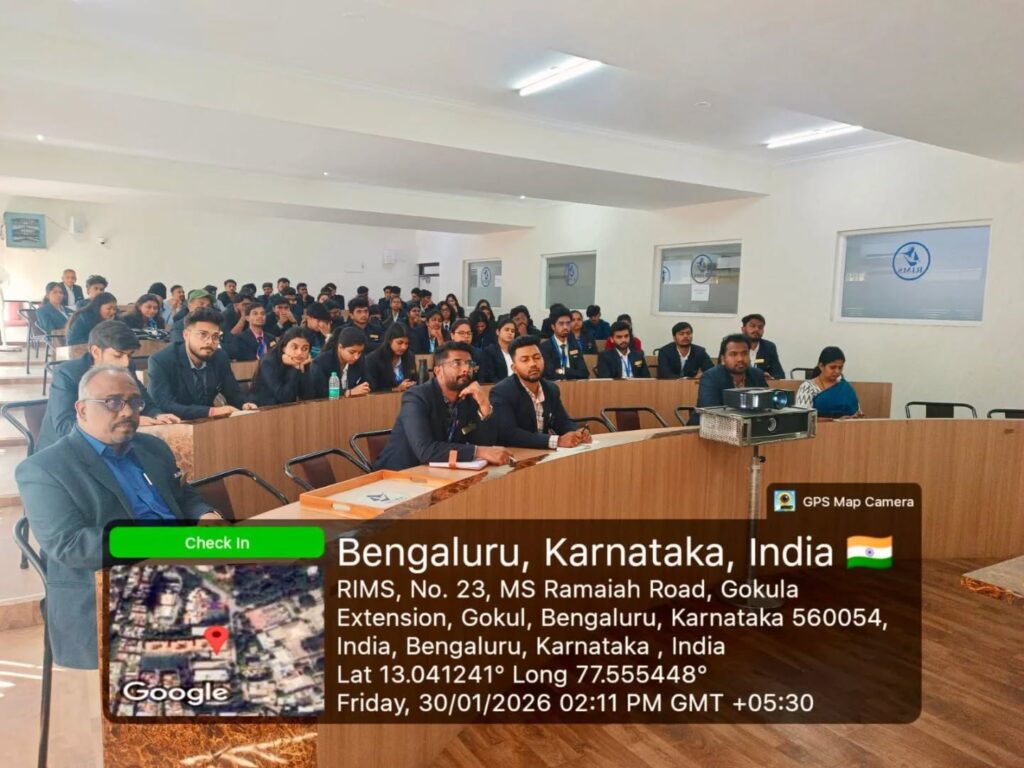
Martyrs’ Day A session on Gandhian Thoughts by Dr. Srinivas was organised on Martyrs’ Day, 30th January 2026, to remember the life, values, and timeless philosophy of Mahatma Gandhi. Let us continue to walk the path of truth, non-violence, and peace.
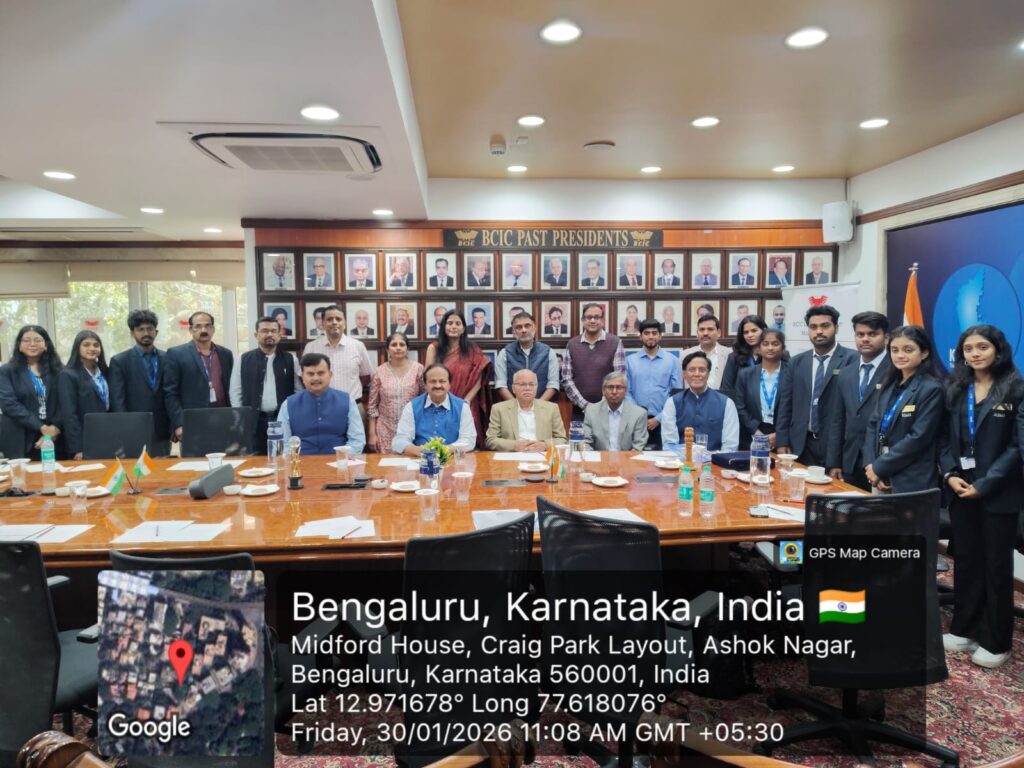
BCIC Leadership Forum RIMS students participation at BCIC Leadership Forum held on 31st January 2026, Speaker: Mr. Vadeesh Budramane Founder & CEO-AlgoShack.
BCIC Leadership Forum Read More »
BRAND TRIVIA – 2026 Where ideas click and strategies stick!The Marketing Club of RIMS proudly presents Brand Trivia — A power-packed event for future marketers. https://rimsbangalore.in/wp-content/uploads/2026/01/WhatsApp-Video-2026-01-27-at-10.47.46-AM.mp4
BRAND TRIVIA – 2026 Read More »